
Home / Root Canal Therapy

Root Canal Therapy
in Stuart, FL

Root Canal Therapy Near You

A deep toothache, lingering sensitivity, or swelling near a tooth can be signs of an infection inside the tooth. Without treatment, the infection may spread to the surrounding tissues and bone, potentially leading to tooth loss. At Flosswell Dental, we provide root canal therapy in Stuart, FL, to remove infected tissue and help preserve your natural tooth whenever possible.

If you’re searching for root canal therapy near you, we will examine the affected tooth, assess your symptoms, and explain whether treatment is necessary. Our team uses local anaesthetic and appropriate dental techniques to help keep you comfortable throughout the procedure.

What Is Root Canal Therapy and How Does It Work?
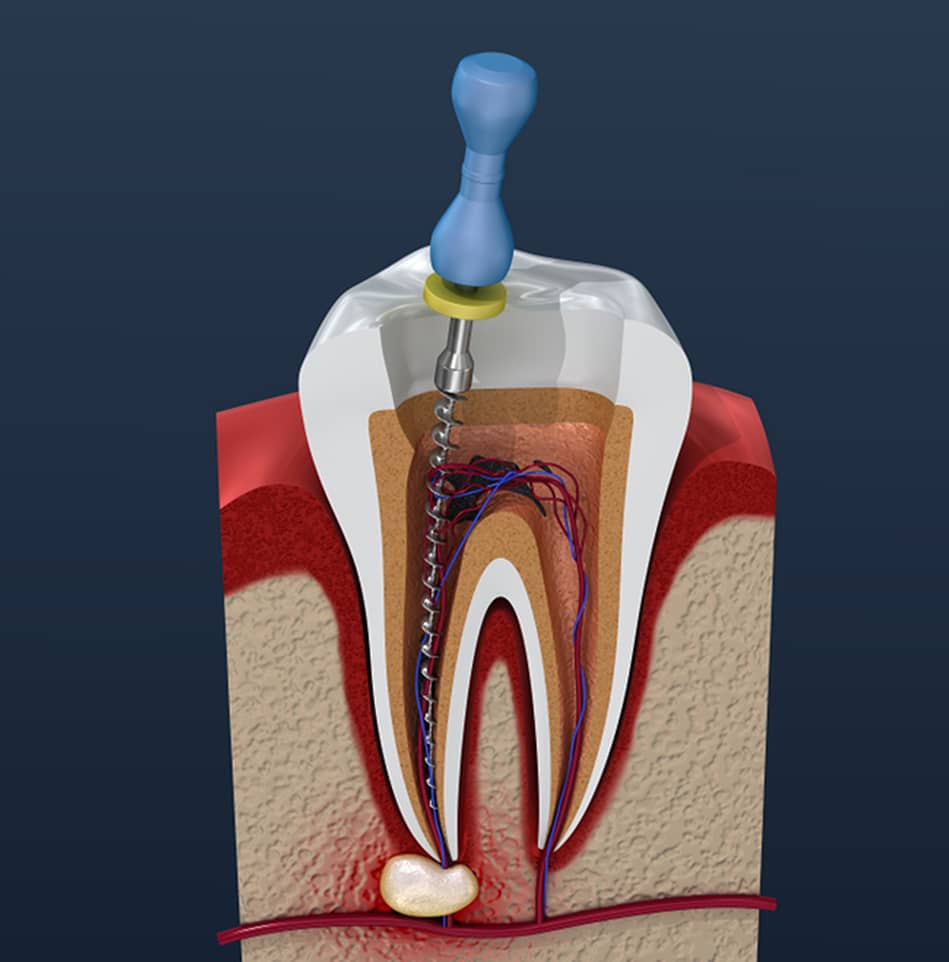
Root canal therapy is a dental procedure that removes infected or damaged tissue from inside a tooth. The inner portion is then cleaned, disinfected, filled, and sealed to help prevent further infection. The treatment can allow you to keep your natural tooth rather than having it extracted.

At Flosswell Dental, the process generally involves the following steps.

  • Examination and X-Rays: Dr. Perna and Dr. Holley examine the affected tooth and may take dental X-rays to assess the roots and surrounding bone.
  • Local Anaesthetic: The tooth and surrounding area are numbed before treatment begins.
  • Removal of Infected Tissue: The infected or damaged tissue is carefully removed from inside the tooth.
  • Cleaning and Sealing: The root canals are cleaned, shaped, filled, and sealed to help prevent reinfection.
  • Final Restoration: A filling or dental crown may be recommended to restore the tooth and protect it from further damage.

Your treatment will depend on the condition of the tooth and the extent of the infection. You can let the dental team know if you feel discomfort or need a break during the procedure.

root canal therapy in jupiter

When Do You Need Root Canal Therapy?

Tooth infections can cause noticeable symptoms, although some teeth may have an infection without significant pain. Recognising possible warning signs can help you seek an assessment before the problem becomes more severe.

You may need root canal therapy if you experience any of the following.

  • Persistent Toothache: Deep or ongoing pain that does not resolve on its own.
  • Lingering Sensitivity: Discomfort from hot or cold foods and drinks that continues after the source is removed.
  • Gum Swelling: Swelling or tenderness around a particular tooth.
  • Recurring Gum Bump: A pimple-like bump on the gums that may indicate an infection.
  • Tooth Discolouration: A tooth that becomes darker than the surrounding teeth.
  • Pain When Biting: Discomfort when chewing or putting pressure on the affected tooth.
  • Previous Dental Injury: A tooth that has been injured or has extensive decay or a large filling.

If you’re searching for root canal therapy near you, our team can assess the extent of the damage, examine the surrounding tissues, and determine the appropriate treatment. We provide root canal therapy to treat infected teeth and help preserve your natural tooth whenever possible.

What Are the Benefits of Root Canal Therapy?

Root canal therapy can help address an infection while allowing you to retain your natural tooth. When the tooth can be successfully treated and restored, the procedure offers several benefits.

  • Natural Tooth Preservation: Treatment may help you keep your natural tooth instead of having it extracted.
  • Infection Removal: Removing infected tissue helps address the source of the infection inside the tooth.
  • Relief From Dental Pain: Treating the underlying problem can help resolve pain caused by the infection.
  • Restored Chewing Function: A properly restored tooth can continue to help you bite and chew.
  • Support for Oral Health: Preserving a restorable tooth can help maintain your natural bite and the spacing between your teeth.

We provide root canal therapy in Stuart, FL, to treat infected teeth and help preserve your natural tooth whenever possible. The recommended treatment and expected outcome depend on the extent of the damage, the condition of the surrounding tissues, and the restoration needed after the procedure.

What Happens After Root Canal Therapy?

After root canal treatment, the tooth may feel tender for a few days as the surrounding tissues recover. Following our dentist’s instructions can help you manage discomfort and protect the treated tooth.

Here are some steps to follow after your appointment.

Follow Aftercare Instructions
Take any recommended medication as directed by our dental team.
Choose Softer Foods Initially
Avoid putting unnecessary pressure on the treated tooth while it feels tender.
Avoid Hard or Sticky Foods
Be careful when chewing, especially if a permanent restoration has not yet been placed.
Maintain Oral Hygiene
Continue brushing and flossing gently to keep your teeth and gums clean.
Attend Follow-Up Visits
Return for any recommended restoration or review appointment.

A dental crown is often recommended for back teeth or teeth that have lost significant structure because it can help protect them from cracking. Our dentist will explain whether a crown or another restoration is appropriate for your tooth.

Why Choose Flosswell Dental for Root Canal Therapy in Stuart?

Receiving clear information about your treatment can help you feel more prepared for a root canal procedure. At Flosswell Dental, we focus on assessing the affected tooth, explaining the available options, and helping you understand each stage of treatment.

Thorough Assessment
Dr. Perna and Dr. Holley examine the tooth and evaluate your symptoms before recommending treatment.
Diagnostic Imaging
Dental X-rays may help assess the roots and surrounding bone when needed.
Comfort-Focused Care
Local anaesthetic is used to numb the area, and our team checks on your comfort throughout the procedure.
Personalized Treatment Planning
Recommendations are based on the condition of your tooth and whether it can be restored.
Restoration Guidance
Our team explains whether a filling or crown may be needed to protect the tooth after treatment.

If you’re looking for a dentist near you for a persistent toothache or possible dental infection, our team can assess your symptoms and discuss the next steps.

When Should You Seek Urgent Dental Care?

A suspected tooth infection should not be ignored, even if the pain is manageable. Arranging a dental assessment promptly can help determine whether root canal therapy or another treatment is needed.

Contact our dental office in Stuart, FL, if you experience persistent tooth pain, swelling around a tooth, or a recurring bump on your gums. Seek urgent medical attention if you develop facial or neck swelling that is spreading, difficulty swallowing or breathing, or other signs of a potentially serious infection.

Do not wait for severe pain to develop before seeking advice. An examination can help identify the cause of your symptoms and determine the appropriate treatment.

Schedule Your Root Canal Therapy Appointment

If you’re experiencing tooth pain or suspect an infection, Flosswell Dental can help you understand your treatment options. Call (772) 288-9901 to schedule an appointment and discuss your symptoms with our team.

Visit us at 2075 S. Kanner Highway, Stuart, FL 34994, for an assessment and guidance on protecting your natural tooth.

FAQ’s

Do I still need a root canal if my tooth stops hurting?

Possibly. Pain can decrease when the nerve inside a tooth becomes severely damaged or dies, but an infection may remain. An examination and dental X-rays, when needed, can help determine whether root canal treatment is necessary.

Is root canal therapy safe?

Root canal therapy is an established procedure used to treat infection inside a tooth and preserve the remaining tooth structure. Our dentist will assess your condition, explain the procedure, and use appropriate infection-control measures and local anaesthetic during treatment.

Can every tooth be saved with a root canal?

No. Teeth with severe fractures, extensive damage, or insufficient remaining structure may not be suitable for root canal treatment. Dr. Perna and Dr. Holley can examine the tooth and explain whether it can be restored or whether extraction or specialist care may be more appropriate.

Can I have a root canal while pregnant?

Necessary dental treatment, including root canal therapy, can generally be provided during pregnancy. Untreated dental infections can also pose risks, so inform our dentist if you are pregnant. Your dental team can discuss any necessary imaging, anaesthesia, and treatment timing with you.

Are there any risks with root canal therapy?

Some tenderness or sensitivity may occur for a few days after treatment. In some cases, a tooth may remain infected, develop a new infection, or fracture later. Following aftercare instructions and receiving the recommended final restoration can help protect the treated tooth.